Ultimate Guide to Dressmaking Patterns
You’ve dreamed of the perfect garment, envisioned it in silk or linen, tailored precisely to your unique form. But between that dream and a tangible, wearable reality lies a crucial step: the dressmaking pattern. Far from a mere diagram, it is the architect’s blueprint for your sewing project, dictating the shape, size, and ultimate success of your creation. Navigating the world of dressmaking patterns can feel overwhelming at first, a labyrinth of symbols, instructions, and paper pieces. But fear not, for with this ultimate guide, you will unlock the secrets to choosing, understanding, and mastering dressmaking patterns, transforming your sewing journey from daunting to delightful.
Before you even think about fabric, you need to understand what you’re holding in your hands – or viewing on your screen. A dressmaking pattern isn’t just a collection of lines; it’s a meticulously designed guide, packed with vital information. Think of it as a translator, taking a designer’s vision and breaking it down into actionable steps for your sewing machine.
The Envelope/Cover
The very first thing you’ll encounter is the pattern envelope or the main image on a digital pattern. This isn’t just advertising; it’s your initial information hub.
- Style Photos/Illustrations: These show you the garment’s finished appearance, often with variations. Pay attention to how it drapes, the neckline, sleeve styles, and overall silhouette.
- Skill Level: Typically indicated as “Beginner,” “Easy,” “Intermediate,” or “Advanced.” This is a crucial indicator of the complexity of the project and the techniques required. Don’t be afraid to challenge yourself, but be realistic about your current sewing prowess.
- Sizing Information: This will give you a general idea of the size range included in the pattern. It’s important to note that pattern sizing is different from ready-to-wear sizing.
- Fabric Recommendations: Crucial for achieving the intended drape and fit. The designer chose specific fabrics for a reason. Ignoring this can lead to a garment that looks nothing like the picture.
- Notions List: Small items needed for the garment, such as zippers, buttons, elastic, thread, interfacing, and often an accompanying size for these items.
- Yardage Requirements: This tells you how much fabric you’ll need, usually broken down by garment size and fabric width. Always check this before buying fabric.
The Pattern Pieces
These are the actual templates you’ll cut out from your fabric. Each piece represents a specific part of the garment.
- Grainlines: A long arrow indicating how the pattern piece should be aligned with the fabric’s grain (the lengthwise threads). This is absolutely critical for how the fabric drapes and hangs.
- Notches: Small triangles or diamonds on the edges of pattern pieces that help you align and match pieces correctly as you sew. Don’t skip transferring these!
- Darts/Pleats/Gathers: Markings that indicate shaping elements. They are essential for creating the garment’s three-dimensional form.
- Buttonholes/Button Placement: Small marks showing where buttons and buttonholes should be sewn.
- Hemlines/Seam Allowances: The lines indicating where the raw edge of the fabric will be, and the distance from that edge to the stitch line. Most commercial patterns include seam allowances, but independent patterns may require you to add them. Double check!
- Size Lines: Different lines or colors on the pattern pieces to distinguish between different sizes. You’ll trace or cut along the line corresponding to your chosen size.
- Labels/Piece Names: Each piece will be clearly labeled (e.g., “Front Bodice,” “Back Skirt,” “Sleeve”). This helps you keep track of everything.
The Instruction Sheet
This is your step-by-step guide to assembling the garment. It’s often filled with diagrams and text.
- Cutting Layouts: Diagrams showing how to arrange your pattern pieces on the fabric efficiently to minimize waste. There are usually multiple layouts for different fabric widths and directional prints.
- Sewing Steps: A numbered or bulleted list of instructions, usually accompanied by diagrams, detailing the order of operations for assembling the garment. Read these through completely before you start sewing.
- Glossary of Terms: Sometimes included for beginners to explain common sewing terms.
Choosing the Right Pattern for Your Project
Selecting the perfect pattern is less about finding “the prettiest” and more about finding “the most suitable” for your skill level, desired garment, body shape, and fabric choice. This is where many eager sewers go astray.
Assess Your Skill Level
Be honest with yourself. Are you comfortable with zippers, buttonholes, and complex closures? Have you mastered setting in sleeves?
- Beginner Patterns: Often feature simple shapes, minimal darts, elastic waists, pull-on styles, and straightforward construction. They are great for building confidence and practicing basic techniques. Look for terms like “Easy,” “Learn to Sew,” or “Quick” on the pattern envelope.
- Intermediate Patterns: Introduce more complex techniques like zippers, button plackets, collars, cuffs, and lining. They assume a basic understanding of sewing machine operation and common stitches.
- Advanced Patterns: Challenge you with tailoring techniques, intricate details, complex fabric manipulations, and often require precise fitting and specialized skills. These are for experienced sewers looking to refine their craft.
Consider the Desired Garment
What kind of garment do you want to make? A flowing summer dress, a tailored winter coat, or a comfortable pair of pajamas? Each requires a different approach and pattern.
- Silhouette and Style: Does the pattern align with your personal aesthetic and the occasion for which you’re making the garment?
- Design Details: Are there specific features you want (e.g., a certain type of sleeve, a particular neckline, pockets)? Ensure the pattern includes these or can be easily modified.
- Seasonal Appropriateness: Think about the time of year you’ll wear the garment and choose patterns that align with typical seasonal fashion and fabric choices.
Think About Your Body Shape and Fit Preferences
This is perhaps the most critical aspect of choosing a pattern that you’ll love to wear. Ready-to-wear sizing is not the same as pattern sizing, and understanding this is vital.
- Take Accurate Measurements: You must measure your bust, waist, and hips. For tops and dresses, your bust measurement is often the primary guide. For skirts and pants, hips are key. Don’t rely on your ready-to-wear size.
- Compare to Pattern Sizing Chart: Every pattern has a sizing chart, usually on the back of the envelope or in the pattern instructions. Match your measurements to these, not to the numerical size. You might be a size 12 in ready-to-wear but a size 16 in a pattern. That’s perfectly normal!
- Consider Ease: Patterns are designed with “ease” – extra fabric beyond your body measurements that allows for movement and comfort. Different garments have different amounts of ease (e.g., a fitted sheath dress will have less ease than a loose tunic). The pattern company will often indicate the finished garment measurements, which is helpful for judging true ease.
- Body Type Adjustments: Almost everyone needs some pattern adjustments. Don’t be discouraged! Issues like broad shoulders, a large bust, or a swayback are common. Look for patterns known for good fit, or be prepared to make common alterations.
Evaluate Fabric Compatibility
The fabric you choose is just as important as the pattern itself. They work in tandem.
- Pattern’s Recommended Fabrics: Always prioritize the fabric types listed on the pattern. These are suggested because they will give the garment the intended drape, structure, and appearance.
- Fabric Characteristics: Understand the properties of different fabrics:
- Drape: How the fabric hangs (e.g., silk drapes beautifully, denim is stiff).
- Stretch: Does it have elasticity? If so, patterns designed for knits won’t work with wovens, and vice-versa.
- Weight: Light, medium, or heavy.
- Structure: Does it hold its shape or is it soft and flowing?
- Matching Fabric to Pattern: Using a stiff fabric for a pattern designed for a flowing one will lead to a very different (and potentially disappointing) result. Trust the designer’s recommendations.
Navigating Pattern Companies and Types

The world of patterns is vast, encompassing grand old names and innovative independent designers. Each offers a different experience and set of resources.
Commercial Pattern Companies
These are the giants of the industry, widely available in fabric stores and online. Think McCall’s, Simplicity, Butterick, and Vogue.
- Pros: Wide range of styles, often budget-friendly (especially during sales), extensive historical archives, readily available in physical stores, varying skill levels, good for beginners due to detailed instructions and diagrams.
- Cons: Sizing can be inconsistent with ready-to-wear (requiring careful measurement), seam allowances are typically included but standardized (may not be your preferred amount), sometimes perceived as less “fashion-forward” (though they do release contemporary designs).
- Best For: Beginners, those looking for classic styles, affordable options, and readily available patterns.
Independent Pattern Designers (Indie Patterns)
A rising force in the sewing community, indie patterns are created by individual designers or small businesses. Companies like Tilly and the Buttons, Helen’s Closet, Closet Core Patterns, and Papercut Patterns fit this category.
- Pros: Often very current and fashionable designs, excellent instructions with detailed photos, strong community support online, focus on modern techniques and often size-inclusive ranges, frequently available as digital PDFs for instant download.
- Cons: Can be more expensive than commercial patterns, sometimes less diverse style range from a single designer, may not be available in physical stores, printing PDF patterns can be a chore.
- Best For: Fashion-conscious sewers, those who appreciate detailed instructions and community, those comfortable with digital patterns.
Historical and Speciality Patterns
For those with a penchant for period costumes, cosplay, or unique sartorial statements.
- Pros: Allows for unique creations, historical accuracy, often caters to niche interests.
- Cons: Can be very complex and require specialized techniques, may involve unusual materials, often less detailed instructions for beginners.
- Best For: Advanced sewers, costume enthusiasts, and those looking for unique sewing challenges.
Mastering Pattern Alterations and Fit
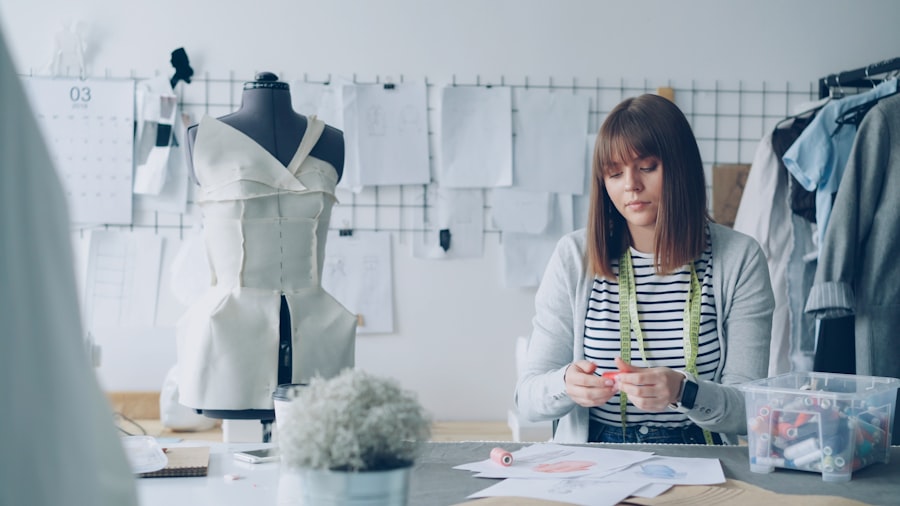
You’ve chosen your pattern, but the journey to a beautifully fitting garment isn’t over. Almost everyone needs to make adjustments to achieve a custom fit – it’s a mark of a skilled sewer, not a flaw in your body!
Why Alterations Are Necessary
- Standard Sizing vs. Unique Bodies: Patterns are designed for a “standard” body measurement, which very few people perfectly fit.
- Personal Preferences: You might prefer a looser sleeve, a higher waistline, or a different neckline depth.
- Fabric Differences: Even with recommended fabrics, slight variations can affect drape and fit.
- Design Intent: Sometimes you just want to tweak the design to make it truly yours.
Common Pattern Alterations
Before cutting into your precious fabric, make your adjustments on the paper pattern pieces themselves. Tracing the relevant size lines onto fresh paper is often a good strategy, allowing you to preserve the original pattern.
- Lengthening/Shortening: The most common alteration, especially for sleeves, bodices, skirts, and pants. Patterns usually have “lengthen/shorten” lines marked.
- Full Bust Adjustment (FBA) / Small Bust Adjustment (SBA): Essential for bodices to accommodate different bust sizes while maintaining the intended fit at the shoulders and neckline.
- Narrow/Broad Shoulder Adjustment: To ensure the shoulder seam sits correctly.
- Swayback Adjustment: To remove excess fabric at the lower back for a smoother fit.
- Widening/Narrowing: At the hips, waist, or across the back.
- Mixing Sizes: It’s common to cut one size for the bust, grade out to another size for the waist, and then grade to another for the hips. This is why flexible patterns are so valuable.
The Muslin (Toile) – Your Best Friend for Fit
A muslin (or toile, in British English) is a test garment made from inexpensive fabric (like unbleached cotton calico or even an old bedsheet) that mimics the drape and weight of your final fabric.
- Purpose: To test the fit, identify areas for alteration, and practice construction techniques before cutting into your good fabric.
- Process:
- Cut out the pattern pieces in your chosen muslin fabric.
- Baste the major seams together (don’t worry about finishing them neatly).
- Try on the muslin.
- Pin and mark any adjustments directly on the muslin while wearing it.
- Transfer these adjustments back to your paper pattern.
- Why You Can’t Skip It (Often): For complex garments, new pattern companies, or when using a particularly expensive fabric, making a muslin is an invaluable step that can save hours of frustration and wasted material.
The Digital Age: PDF Patterns and Resources
| Pattern Name | Size Range | Difficulty Level | Number of Pieces |
|---|---|---|---|
| McCall’s M7969 | 6-22 | Intermediate | 8 |
| Butterick B6556 | 8-24 | Beginner | 5 |
| Simplicity S8909 | 4-20 | Advanced | 10 |
The internet has revolutionized access to patterns, offering instant gratification and a wealth of resources.
The Rise of PDF Patterns
Many indie designers, and even some commercial companies, offer patterns as digital downloads in PDF format.
- Pros: Instant access, often more detailed instructions with photos, can be printed as many times as needed, environmental benefits (no paper waste from shipping).
- Cons: Requires assembly (taping together many A4/Letter size sheets), requires a printer in good working order, large format printing (copy shop) can incur extra cost.
- Printing Options:
- Home Printer: The most common method. You’ll print many pages and tape them together. Look for patterns with layered PDFs, allowing you to print only your size.
- Copy Shop/Large Format Printer: Send the PDF to a copy shop to be printed on large sheets (A0, A1, or plotter paper). This eliminates the taping but costs more.
Online Sewing Communities and Tutorials
The internet is a treasure trove of information for sewers.
- Blogs and Websites: Countless sewing blogs offer pattern reviews, tutorials for specific techniques, fabric advice, and inspiration.
- YouTube: Visual learners rejoice! YouTube is packed with video tutorials that walk you through every step of a pattern, from cutting to complex closures. Search for your specific pattern or a technique you’re struggling with.
- Facebook Groups and Forums: Dedicated groups for specific pattern companies or general sewing advice provide a supportive community where you can ask questions, share progress, and find solutions.
- Pinterest/Instagram: Visual platforms for inspiration, fabric pairings, and seeing how others have made a particular pattern.
Pattern Hacking and Customization
Once you understand the basic principles of pattern construction, you’re not confined to the pattern “as is.” You can start to play!
- Simple Hacks: Changing sleeve length, adding pockets, altering a neckline, converting a dress to a top, or combining elements from different patterns.
- Learning Resources: Many blogs and books are dedicated to pattern hacking, teaching you how to confidently make creative modifications.
- Unleashing Creativity: This is where your personal style truly shines, transforming a basic pattern into a unique, custom-made garment that perfectly reflects you.
By delving into the nuances of pattern anatomy, making informed choices about patterns, embracing necessary alterations, and leveraging the vast resources available, you are not just sewing a piece of fabric; you are crafting a wearable extension of your creativity and skill. The dressmaking pattern, once a cryptic map, will become your trusted companion on your journey to endless sartorial possibilities. Happy sewing!
FAQs
What are dressmaking patterns?
Dressmaking patterns are templates used to create garments. They include pieces for different parts of the garment, such as the bodice, sleeves, and skirt, and provide instructions for how to cut and sew the fabric to create the desired garment.
How are dressmaking patterns used?
Dressmaking patterns are used by laying them on top of fabric and cutting around the edges to create the necessary pieces for the garment. The pattern pieces are then sewn together according to the instructions provided to create the finished garment.
Where can I find dressmaking patterns?
Dressmaking patterns can be found in sewing and craft stores, as well as online through various retailers and independent pattern designers. They are available in a wide range of styles and sizes to accommodate different body types and fashion preferences.
What types of dressmaking patterns are available?
There are dressmaking patterns available for a wide range of garments, including dresses, skirts, tops, and pants. Additionally, there are patterns for different styles, such as vintage, modern, and formal wear, as well as patterns for special occasions like weddings and costumes.
Can dressmaking patterns be customized?
Yes, dressmaking patterns can be customized to fit individual body measurements and style preferences. Many patterns include instructions for making adjustments to the fit and design, and some pattern designers offer customization services to create personalized patterns.