The Ultimate Guide to Choosing and Using Fabric Scissors
You’ve decided to embark on a sewing project. Perhaps you’re creating a stunning garment, a cozy quilt, or even just mending a beloved item. You gather your fabric, your pattern, and then you reach for your trusty kitchen shears. Stop right there! If you want your sewing endeavors to be more than just passable, if you want crisp, clean cuts and a frustration-free experience, you need to understand the profound importance of fabric scissors. This isn’t just about owning a “special” pair; it’s about understanding the nuances, the care, and the proper use of a tool that will elevate your sewing from a chore to a craft.
You might be thinking, “A pair of scissors is a pair of scissors, right?” Wrong. Very wrong. Your kitchen shears, your paper scissors, even your craft-specific scissors, are simply not designed for fabric. Using them for anything other than their intended purpose will not only damage your fabric but also prematurely dull your precious fabric shears when you inevitably do reach for them.
The Anatomy of a Fabric Scissor
Before you dive into choosing your perfect pair, it’s crucial to understand what makes fabric scissors unique. They aren’t just bigger or shinier. They are engineered with specific features that cater to the demands of cutting textiles.
- Blade Material: Most high-quality fabric scissors feature hardened stainless steel or carbon steel blades. Stainless steel offers excellent rust resistance, while carbon steel can hold a sharper edge for longer. Some premium scissors even incorporate titanium coatings for added durability and a smoother glide.
- Blade Length: Fabric scissors come in various blade lengths. Longer blades (8-10 inches) are ideal for cutting long, straight lines quickly and efficiently, especially for garment patterns. Shorter blades (6-7 inches) offer more control for intricate curves and smaller pieces.
- Handle Design (Bent vs. Straight): This is a critical distinction. Most fabric shears are “bent-handled.” This ergonomic design keeps the lower blade flat against your cutting surface, preventing the fabric from lifting and shifting as you cut. Straight-handled scissors, while useful for some tasks, are less common for general fabric cutting.
- Pivot Point: The screw or bolt that connects the two blades is the pivot point. In good quality scissors, this is precision-engineered to ensure smooth, consistent action without excessive looseness or stiffness.
- Sharpness and Bevel: Fabric scissors are ground to a very fine, sharp edge designed to slice through fabric fibers cleanly, rather than crushing or tearing them. This often results in a slightly different bevel angle compared to general-purpose scissors.
The Detrimental Effects of Using Wrong Scissors
Imagine trying to chop vegetables with a dull butter knife. That’s akin to cutting fabric with the wrong type of scissors. The consequences are more significant than you might think.
- Frayed Edges: Dull or inappropriate scissors will chew and pull at the fabric fibers, leaving you with messy, frayed edges that are difficult to sew and can compromise the integrity of your project.
- Inaccurate Cuts: When your scissors aren’t gliding smoothly, you’ll find yourself struggling to maintain a straight line or follow a curve accurately. This leads to misshapen pieces and frustration when assembling your project.
- Fabric Damage: Beyond fraying, using the wrong scissors can permanently damage delicate fabrics, create snags, or even tear the material.
- Hand Fatigue: Trying to force dull or ill-suited scissors through fabric requires more effort, leading to hand strain and fatigue, making your sewing experience less enjoyable.
- Premature Wear of Your Good Shears: This is perhaps the most critical rule: NEVER use your fabric scissors for anything else! Cutting paper, cardboard, wire, or anything other than fabric will dull their finely honed edge at an alarming rate, rendering them useless for their intended purpose.
Navigating the World of Fabric Scissor Types
Now that you understand why you need fabric scissors, let’s explore the various types available. Each serves a specific purpose, and having a small collection will greatly enhance your sewing efficiency.
Shears (Dressmaker’s Shears)
These are likely what you picture when you think of fabric scissors. They are the workhorses of your sewing kit.
- Characteristics: Typically 8-10 inches long, with bent handles that allow the lower blade to remain flat on the cutting surface. One blade is usually longer and narrower than the other, tapering to a fine point.
- Best For: Cutting out large pattern pieces, long straight lines, and general fabric cutting. They provide excellent leverage and cut smoothly through most fabrics.
- Considerations: Look for comfortable handles that fit your hand well, as you’ll be using these for extended periods. Weight can also be a factor; some prefer a heavier, more substantial feel, while others opt for lighter shears.
Snips (Thread Snips)
Small but mighty, thread snips are invaluable for precision tasks.
- Characteristics: Small, spring-loaded scissors, typically 4-6 inches in length, often resembling a small pair of pliers with sharp blades. They don’t have finger holes like traditional scissors.
- Best For: Trimming threads close to the seam, clipping curves, making small nips in seam allowances, and unpicking stitches. Their sharp, fine points make them ideal for quick, precise cuts.
- Considerations: Keep a pair near your sewing machine for immediate thread-trimming.
Embroidery Scissors
When delicate detail is required, embroidery scissors are your go-to.
- Characteristics: Very small, typically 3-5 inches, with extremely sharp, fine points. Often ornate or decorative in design.
- Best For: Detailed cutting for appliqué, trimming embroidery threads, cutting back threads from buttonholes, and getting into very tight spaces.
- Considerations: Their small size means they are not suitable for general fabric cutting, but their precision is unmatched for fine work.
Pinking Shears
These distinctive scissors offer a practical and decorative edge.
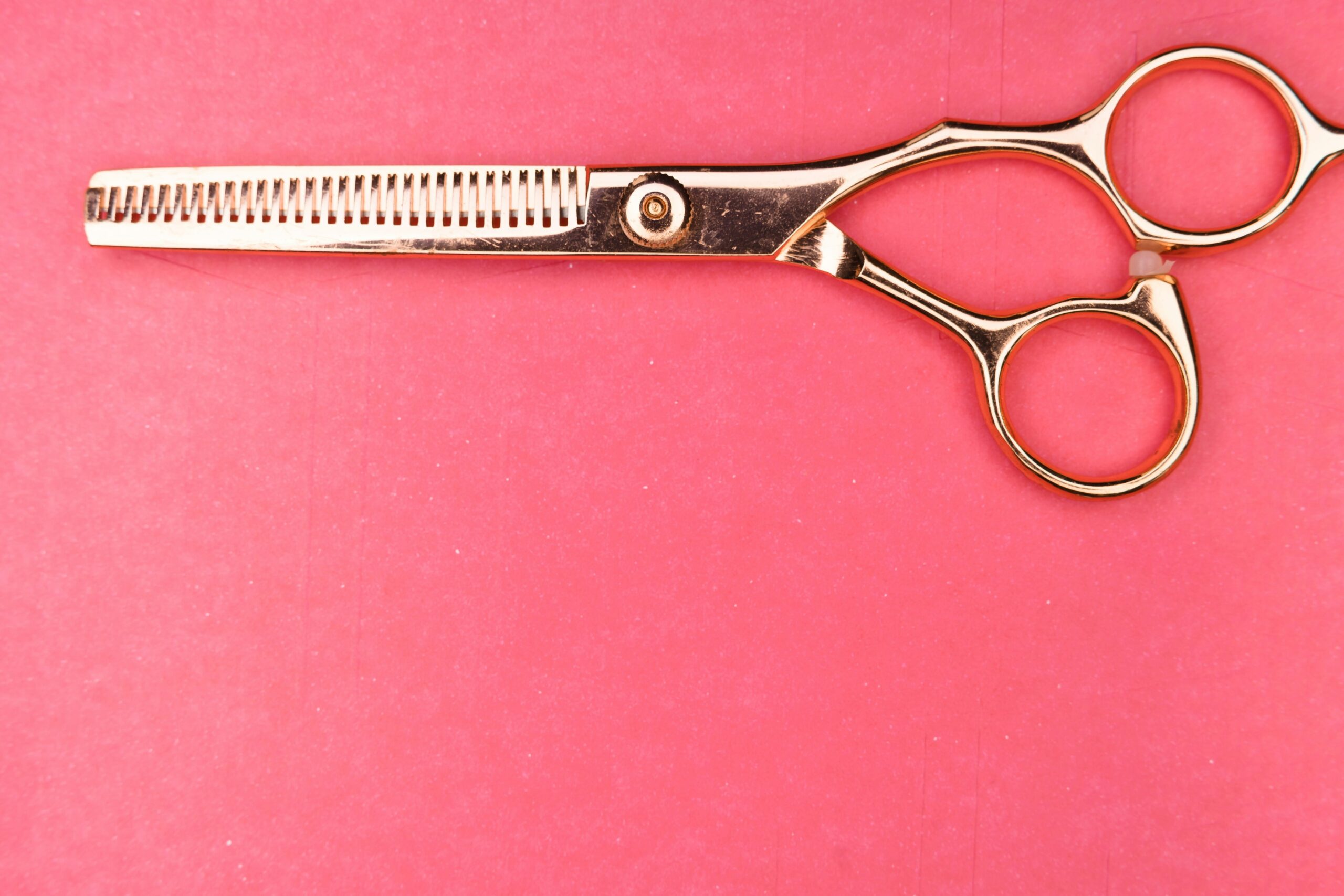
- Characteristics: Blades are serrated or zigzagged, creating a zig-zag edge when cutting. Usually 7-9 inches long.
- Best For: Finishing raw fabric edges to prevent fraying (especially on fabrics that don’t fray extensively), adding decorative edges to crafts, and reducing bulk in seam allowances for certain projects.
- Considerations: Pinking shears are not designed for precise cutting and can be harder to use on delicate or slippery fabrics. They dull more quickly than regular shears due to their complex blade design.
Left-Handed Fabric Scissors
If you’re left-handed, this is a game-changer.
- Characteristics: The blades are reversed, meaning the top blade is on the left when held in the left hand. This allows a left-handed user to see the cutting line clearly and apply pressure correctly.
- Best For: Left-handed sewers for all general fabric cutting tasks.
- Considerations: Using right-handed scissors as a left-hander forces you to compensate, leading to inaccurate cuts, hand strain, and frustration. Investing in a proper left-handed pair is essential.
Choosing Your Perfect Pair: What to Look For

With so many options, how do you decide? It comes down to a combination of budget, comfort, and the type of sewing you do most often.
Assess Your Needs
Before you even start looking, consider what you’ll be cutting most frequently.
- Fabric Type: Are you mostly cutting delicate silks, heavy denim, slippery polyesters, or thick layers of quilting cotton? Some scissors perform better on specific fabric types.
- Project Size: Will you be cutting out full garments or small appliqué pieces? This will influence the blade length you prioritize.
- Frequency of Use: If you sew daily, investing in a high-quality, durable pair is a wise decision. If sewing is an occasional hobby, a good mid-range pair might suffice.
Comfort and Ergonomics
This is paramount. Your hands will thank you.
- Fit: Hold the scissors in your hand. Do your fingers fit comfortably into the holes? Is there enough space, but not too much? Some handles are designed for specific hand sizes (e.g., larger loops for bigger hands).
- Weight and Balance: Does the weight feel balanced, or is it top-heavy? A balanced pair will feel less strenuous to use over time.
- Handle Material: Some handles are plastic, others are rubberized for extra grip, and some are traditional metal. Choose what feels best in your hand and prevents slipping.
- Finger Fatigue: If you start to feel discomfort or pressure points during a short test cut, those scissors are not for you.
Blade Quality and Sharpness
The core of effective cutting.
- Smooth Glide: When you close and open the scissors, does it feel smooth and consistent, without grinding or catching? Close them from tip to pivot; they should meet cleanly.
- Clean Cut: Test different fabrics. Do they cut cleanly all the way to the tip, or do they chew the fabric at the end of the stroke? A good pair will snip a single layer of delicate silk without issue.
- Material: As mentioned, stainless steel or carbon steel are preferred. Look for terms like “precision ground” or “hot forged” (for carbon steel) as indicators of quality.
Brand Reputation and Reviews
While not the only factor, brands with a long history of quality are often a safe bet.
- Established Brands: Brands like Fiskars, Gingher, Kai, and Mundial are often recommended by experienced sewers. They have a reputation for durable, sharp scissors.
- Read Reviews: Look for honest reviews from other sewers. Pay attention to comments about longevity, comfort, and cutting performance on different fabric types.
Price Point
You get what you pay for, to a certain extent.
- Investment, Not Expense: Think of good fabric scissors as an investment in your craft. A quality pair, properly cared for, can last decades.
- Budgeting: You don’t need the most expensive pair to start, but avoid the cheapest options. A mid-range pair (e.g., $30-$60 for good shears) will likely serve you well. As you advance, you might consider higher-end options.
Mastering the Art of Using Fabric Scissors

Having the right tools is only half the battle; knowing how to use and maintain them is equally important.
Proper Cutting Technique
This is about efficiency, accuracy, and prolonging the life of your shears.
- Keep Fabric Flat: Always keep your fabric flat on the cutting surface (table, cutting mat, floor). This is where bent-handled shears shine, allowing the lower blade to stay grounded and prevent lifting or distortion of the fabric.
- Long, Smooth Strokes: For straight lines, use the longest possible cutting strokes. This results in cleaner lines with fewer jagged parts. Don’t “chew” the fabric with tiny snips.
- Hold Firmly but Not Tensely: Grip the fabric firmly with your non-cutting hand to prevent it from shifting. Your cutting hand should be relaxed but in control.
- Cut with the “Sweet Spot”: The strongest cutting power of most scissors is in the middle of the blades, not the tip. Utilize this section for the bulk of your cutting.
- Follow the Cutting Line: Whether it’s a pattern line or a guide, keep your eye on it.
- Don’t Overextend: If a piece is too large, fold the fabric carefully or adjust your position rather than trying to stretch your arm uncomfortably.
Caring for Your Fabric Scissors
This is crucial for maintaining their sharpness and longevity. Think of them as delicate instruments.
- Designate Them for Fabric ONLY: We cannot stress this enough. This is the number one rule. Label them if you have to, or keep them stored away from general household scissors. A small ribbon tied to the handle can serve as a visual reminder.
- Clean After Each Use: Fabric fibers and lint can accumulate between the blades. Use a soft, dry cloth to wipe them clean after each sewing session. For stubborn residue, a tiny bit of rubbing alcohol on a cloth can work, but ensure they are completely dry afterward.
- Lubricate Periodically: The pivot point can benefit from a drop of sewing machine oil every few months, depending on how often you use them. Open and close the scissors several times to work the oil in, then wipe away any excess.
- Store Properly: Store them in a protective sheath, a dedicated drawer, or a fabric-lined box. Avoid letting them clang around with other metal objects, which can damage the blades. Keep them away from high humidity to prevent rust.
- Sharpen Professionally: Eventually, even the best fabric scissors will need sharpening. Do not attempt to sharpen them yourself with a kitchen sharpener. Find a reputable professional scissor sharpener who specializes in fabric shears. They have the right equipment and expertise to restore the fine edge without damaging the blades. Ask other sewers in your area for recommendations.
Troubleshooting Common Issues
| Brand | Length | Material | Price |
|---|---|---|---|
| Fiskars | 8 inches | Stainless steel | 12.99 |
| Gingher | 7 inches | Chrome-plated | 24.99 |
| Westcott | 9 inches | Titanium | 9.99 |
Even with the best scissors, you might encounter minor issues.
- Fabric Chewing/Fraying: Your scissors are dull. This is the clearest sign they need sharpening.
- Stiff Action: The pivot point might be dry or dirty. Try cleaning and lubricating it. If it’s still stiff, the screw might be too tight. Some scissors have adjustable screws, but exercise caution if attempting to adjust it yourself.
- Rust Spots: If you see small rust spots, they might be fixable with a very fine steel wool or rust eraser, followed by immediate oiling. Prevention through proper storage is always better.
- Blades Don’t Meet Correctly: This can be a sign of damage (e.g., if they were dropped) or a loose pivot screw. A professional sharpener can often address this.
You’ve learned that fabric scissors are not merely a fancy indulgence but a fundamental tool for successful sewing. You understand their unique construction, the detrimental effects of improper use, and the various types available to suit different needs. You’re now equipped to choose a comfortable, high-quality pair and, most importantly, to care for them diligently. By respecting your fabric scissors and treating them as the precision instruments they are, you will enjoy years of clean cuts, accurate patterns, and a much more enjoyable sewing experience. So go forth, snip with confidence, and create beautiful things!
FAQs
What are fabric scissors?
Fabric scissors are specialized scissors designed for cutting fabric. They have a sharp blade that is able to cleanly cut through various types of fabric without causing fraying or damage.
How are fabric scissors different from regular scissors?
Fabric scissors are different from regular scissors in that they have a longer blade and a more precise cutting edge. They are also designed to be used specifically for cutting fabric, whereas regular scissors are more versatile and can be used for a variety of materials.
Why should I use fabric scissors for cutting fabric?
Using fabric scissors for cutting fabric is important because they are designed to make clean, precise cuts without causing fraying or damage to the fabric. Using regular scissors can result in jagged edges and fraying, which can affect the overall quality of your sewing project.
How do I care for fabric scissors?
To care for fabric scissors, it is important to keep them clean and sharp. Wipe the blades with a soft cloth after each use to remove any debris, and regularly sharpen the blades to ensure they remain effective for cutting fabric.
What are some tips for using fabric scissors?
When using fabric scissors, it is important to use them only for cutting fabric and not for other materials, as this can dull the blades. Additionally, it is helpful to use a cutting mat or surface to protect the blades and ensure a clean cut.