Best Starter Sewing Machine for Beginners
Embarking on your sewing journey is an exciting prospect, and one of the first, and perhaps most crucial, decisions you’ll make is choosing your sewing machine. It’s not just a tool; it’s your creative partner, the engine that will bring your fabric dreams to life. For beginners, the sheer volume of options can be overwhelming. Fear not! This guide is designed to demystify the process, helping you find the perfect starter sewing machine that will nurture your budding skills and prevent unnecessary frustration. We’re going to break down what truly matters when you’re just starting out, ensuring you invest wisely and confidently.
Before you even glance at a machine, take a moment to consider what you envision yourself creating. This isn’t about having a master plan for haute couture, but rather a realistic assessment of your initial sewing goals. This introspection will heavily influence the features you’ll prioritize and the type of machine that will best serve you. Think about the materials you’ll be working with and the kinds of projects that call to you.
Everyday Garments and Simple Alterations
Are you dreaming of hemming your own trousers, fixing a ripped seam on a favorite shirt, or perhaps even sewing a simple skirt or PJs? If your initial focus is on basic apparel, quick fixes, and perhaps even a few beginner-friendly patterns, you’ll want a machine that excels at straight stitches and has a decent range of basic stitches. Durability and ease of use will be key here. You won’t need intricate embroidery capabilities or complex overlocking stitches right away. A machine that handles cottons, linens, and lightweight denims with ease will be your best bet.
Home Décor and Quilting Aspirations
Perhaps you’re drawn to the cozy world of home décor – sewing cushions, curtains, or even a patchwork quilt. Quilting, in particular, can demand a bit more from a machine. You might be dealing with multiple layers of fabric and thicker batting. In this scenario, you’ll want a machine with a sturdy build, a good needle penetration power, and potentially a bit more throat space (the area to the right of the needle) to maneuver your fabric layers comfortably. A walking foot compatibility can be a game-changer for quilting, ensuring even fabric feed.
Craft Projects and Creative Exploration
Are you a hobbyist who loves to experiment? Maybe you’re interested in making fabric pouches, tote bags, quirky pet accessories, or even trying your hand at appliqué. For these types of projects, versatility is king. You might need to stitch denim for a tote one day and delicate fabrics for a small craft item the next. A machine with a good variety of stitch types, including zigzag and decorative stitches, will offer you more creative freedom. Ease of threading and bobbin winding are also important for frequent project changes.
Budget Considerations and Long-Term Investment
It’s natural to think about budget when making any purchase. For beginners, it’s often advised to start with a machine that offers excellent value rather than the absolute cheapest option. Investing a little more upfront can mean a more durable, reliable machine that will last you for years, preventing you from needing to upgrade too soon. Consider the warranty and after-sales support offered by the manufacturer. A machine that’s too basic might limit your progress, while an overly complex one can be intimidating and costly. Finding that sweet spot where functionality meets affordability is crucial.
Key Features to Look for in a Starter Sewing Machine
Now that you have a better idea of your sewing goals, let’s dive into the nitty-gritty of what makes a sewing machine beginner-friendly. These are the essential features that will make your learning curve smoother and more enjoyable. Don’t get bogged down by jargon; we’ll break it down into understandable terms.
Stitch Selection and Versatility
This is arguably the most important feature for a beginner. You don’t need hundreds of stitches, but a good selection will keep your projects interesting.
Essential Stitches: The Foundation of Your Skills
- Straight Stitch: This is your workhorse. You’ll use it for almost everything, from joining seams to topstitching. Look for adjustable stitch length and width for maximum control.
- Zigzag Stitch: Crucial for finishing raw edges to prevent fraying, for appliqué, and for sewing stretch fabrics. A 3-step zigzag is particularly good for knits, offering more stretch than a standard zigzag.
- Buttonhole Stitch: Most beginner machines offer at least a 4-step buttonhole. Some offer a convenient one-step buttonhole where you simply place the button in the foot, and the machine sews the buttonhole automatically. This is a fantastic time-saver.
Handy Additional Stitches: Expanding Your Horizons
- Scallop Stitch or Decorative Stitches: While not strictly necessary, a few basic decorative stitches can add a charming touch to your projects, like a cute border on a baby blanket or embellishing a simple tote bag.
- Overlock/Serger Stitch (simulated): Some machines have a wide zigzag stitch that, when combined with fabric trimming, can mimic the finish of a serger. This is useful for preventing fraying on seams without needing a dedicated serger.
Ease of Use and User-Friendly Design
A machine that’s cumbersome to operate will quickly become a source of frustration. Look for features that simplify the sewing process.
Effortless Threading and Bobbin Winding
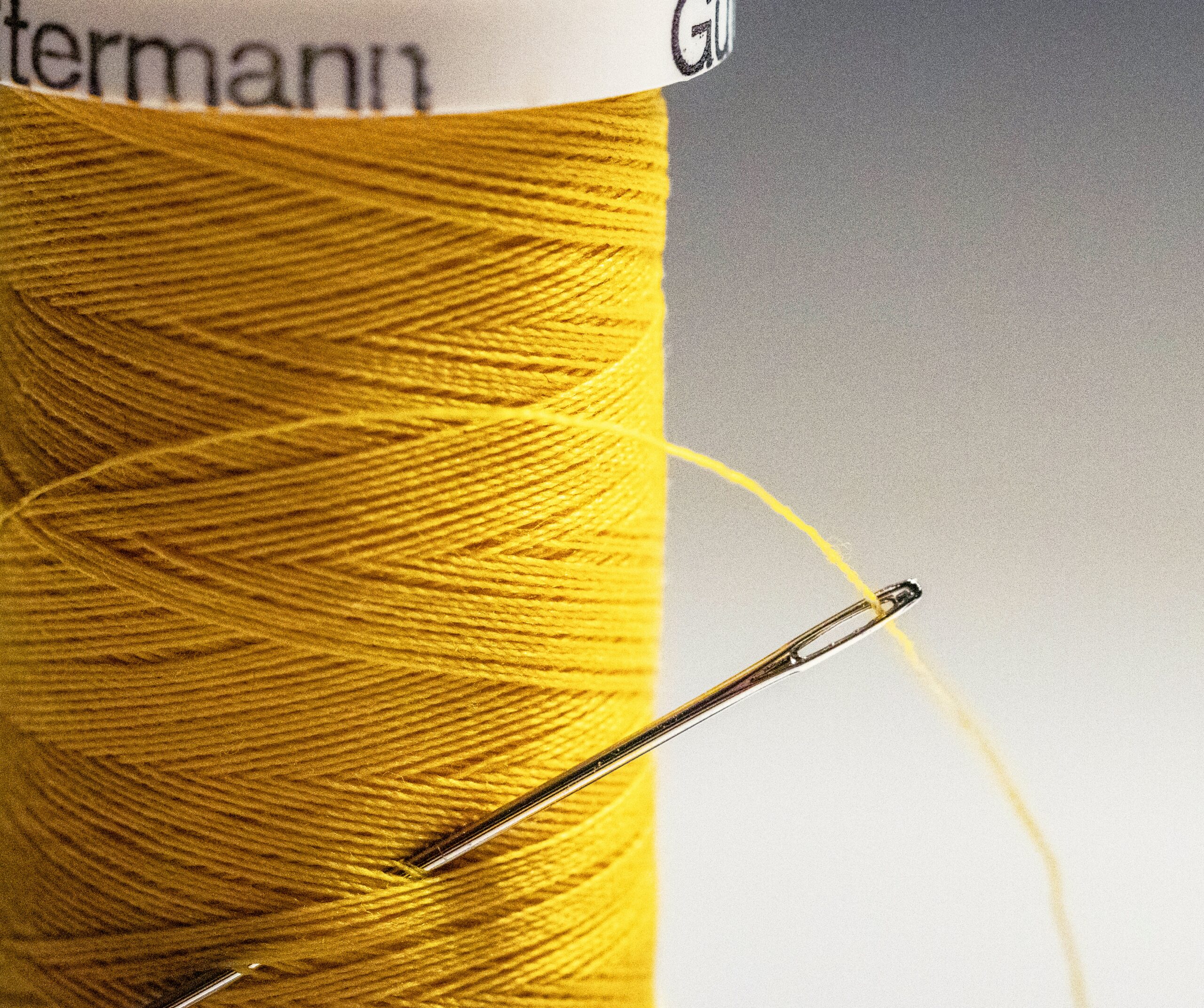
- Automatic Needle Threader: This is a lifesaver, especially for those with less than perfect eyesight or dexterity. It guides the thread through the needle eye for you, saving a lot of fiddling.
- Top-Loading or Front-Loading Bobbin System: Top-loading bobbins are generally preferred by beginners as they are easier to see and refill, and you can usually see when you’re running low on thread. They also tend to be more jam-resistant.
- Clear Bobbin Cover: Being able to see your bobbin thread level is a huge plus.
Intuitive Controls and Clear Markings
- Clearly Labeled Dials and Buttons: You should be able to easily understand what each control does without needing to constantly consult the manual.
- Color-Coded Threading Paths: Many machines have colored lines indicating the path the thread should follow for threading, making the process much less intimidating.
- Up/Down Needle Position Control: This allows you to stop with the needle either up or down in the fabric, which is incredibly useful for turning corners or pivoting.
Durability and Build Quality
While you’re not looking for a heavy-duty industrial machine, a starter machine should still be robust enough to handle regular use.
Sturdy Construction for Stable Sewing
- Metal Frame: A metal internal frame provides stability and reduces vibration, leading to smoother sewing and a longer lifespan for the machine. Plastic frames can feel flimsy and prone to damage.
- Good Quality Components: Look for reviews that mention the durability of the machine’s parts, such as the presser foot mechanism and the motor.
Reliable Motor Power for Varied Fabrics
- Sufficient Wattage: While not always explicitly stated, a machine with a good, reliable motor will handle thicker fabrics more effectively without bogging down. You can often gauge this by reading reviews and looking for mentions of its performance on denim or multiple layers.
- Consistent Stitch Quality: A good motor will ensure that your stitches are consistent in tension and appearance, even when working with different fabric weights.
Popular Types of Starter Sewing Machines
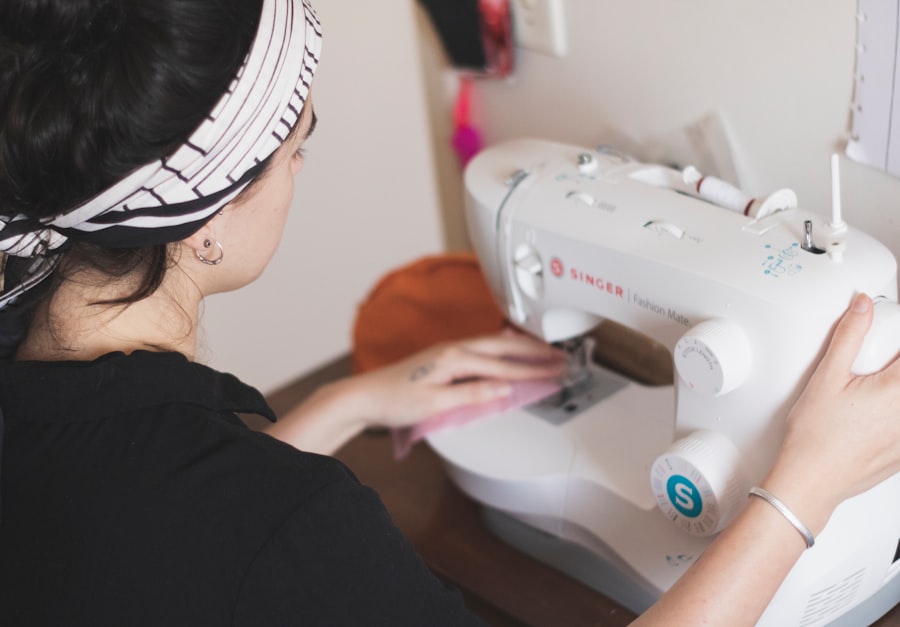
The sewing machine market offers a few main categories that are relevant to beginners. Understanding these distinctions will help you narrow down your search.
Mechanical Sewing Machines: The Reliable Workhorses
These are the classic sewing machines, operated by physical dials and levers. They are often favored by beginners for their simplicity and straightforward operation.
Advantages of Mechanical Machines
- Simplicity and Ease of Use: Fewer electronic components mean fewer things to go wrong, and the controls are often very intuitive.
- Durability and Longevity: They are generally built to last and can withstand a lot of use.
- Affordability: Mechanical machines often come at a lower price point compared to their computerized counterparts.
- Focus on Fundamentals: They encourage a good understanding of basic sewing techniques without the distraction of complex digital settings.
When a Mechanical Machine is Your Best Bet
If you’re looking for a no-frills, reliable machine to learn the basics of straight stitching, zigzagging, and buttonholes, a mechanical machine is an excellent choice. They are perfect for simple garment construction, mending, and basic craft projects. Their straightforward nature makes them less intimidating for those completely new to sewing.
Electronic Sewing Machines: Bridging the Gap
Electronic machines incorporate some digital components but are not fully computerized. They offer a bit more functionality than basic mechanical machines without the complexity and cost of full computerization.
The Appeal of Electronic Machines
- More Stitch Options: They typically offer a wider range of built-in stitches, including more decorative options and possibly specialized stitches for specific tasks.
- Digital Display: A small digital screen can make it easier to select stitches, adjust settings, and view information.
- Improved Control: Some electronic machines offer features like speed control or needle up/down buttons that are more often found on higher-end models.
Who Benefits from an Electronic Machine
If you anticipate wanting a bit more creative flair beyond basic stitches, or if you appreciate the convenience of a digital display for stitch selection, an electronic machine can be a great middle ground. They are still relatively easy to use and offer a good balance of features for a beginner looking to grow.
Computerized Sewing Machines: The Feature-Rich Option
These machines are the most advanced and offer the widest array of features, often including built-in embroidery capabilities. While tempting, they can sometimes be overkill for a true beginner.
The Pros of Computerized Machines
- Extensive Stitch Library: They often boast hundreds of stitches, including intricate decorative stitches, alphabets, and even some built-in embroidery designs.
- Advanced Features: Features like automatic thread cutters, programmable needle up/down, and sophisticated tension control are common.
- Embroidery Capability: Many computerized machines offer basic to advanced embroidery functions, allowing you to create personalized designs.
Why a Computerized Machine Might Be Too Much (Initially)
- Overwhelming Complexity: The sheer number of features can be intimidating and lead to a steep learning curve for someone just starting out.
- Higher Cost: Computerized machines are generally the most expensive option.
- Potential for Frustration: If you’re not yet comfortable with basic sewing, the advanced functions can become a source of frustration rather than inspiration.
Top Features to Prioritize for a Smooth Learning Curve
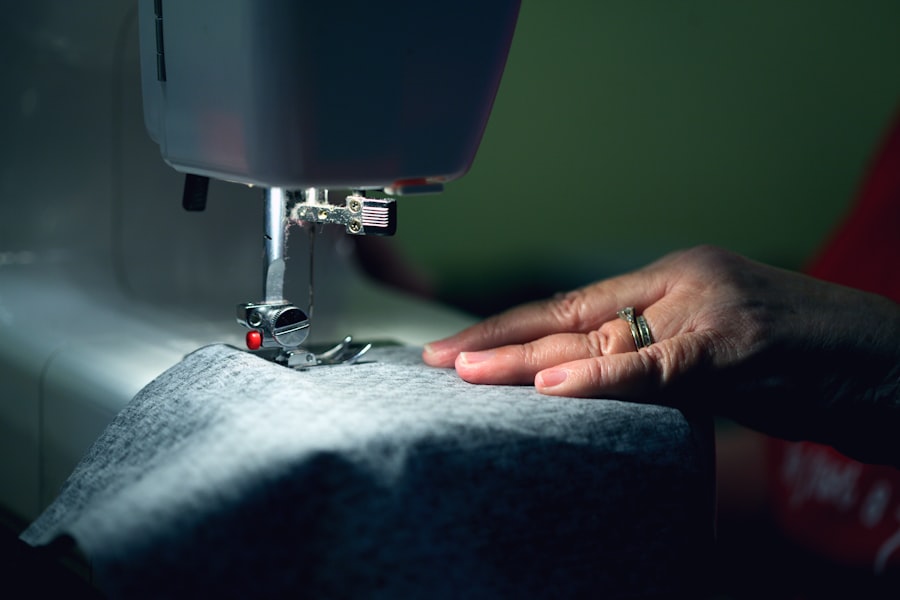
Beyond the basic machine types, certain features are universally beneficial for beginners, regardless of whether you choose mechanical or electronic. These additions will significantly enhance your user experience and help you build confidence.
Automatic Needle Threader: A True Game-Changer
Let’s reiterate this because it’s so important. If you have even a slight aversion to threading needles, an automatic needle threader is a must-have. It means you can get to sewing faster and avoid the frustrating fumbling, especially with smaller needle eyes. This feature alone can save you a lot of time and stress.
Free Arm Capability: For Versatile Sewing
The free arm is the removable section of the sewing machine bed that allows you to sew cylindrical items. This is incredibly useful for sewing sleeves, pant legs, socks, and other fitted areas. It allows you to maneuver your fabric more easily and achieve a professional finish on these challenging areas.
Adjustable Presser Foot Pressure: Tailoring to Your Fabric
Some machines allow you to adjust the pressure of the presser foot on your fabric. This is particularly useful when working with delicate fabrics like silk or chiffon, where excessive pressure can stretch or distort the material. It also helps with thicker fabrics like denim, ensuring even feeding.
Good Lighting: See What You’re Doing
A well-lit sewing area is crucial for accuracy and comfort. Many modern machines come with excellent LED lighting that illuminates the needle and the sewing area effectively. However, if the machine you’re considering falls short, ensure your workspace itself is well-lit.
Included Accessories: Getting Started Right Away
| Feature | Description |
|---|---|
| Stitches | Basic straight and zigzag stitches |
| Speed | Up to 800 stitches per minute |
| Bobbin Type | Top-loading or front-loading |
| Presser Feet | Multiple interchangeable presser feet |
| Weight | Average weight of 10-15 pounds |
Your starter machine should come with a few essential accessories that will allow you to start sewing immediately.
Essential Presser Feet
- All-Purpose Foot: This will likely be attached to the machine and is suitable for most basic sewing tasks.
- Zipper Foot: Essential for sewing in zippers neatly.
- Buttonhole Foot: Used in conjunction with the buttonhole stitch to create professional-looking buttonholes.
- Blind Hem Foot (optional but handy): For creating almost invisible hems on garments.
Other Helpful Accessories
- Seam Ripper: Every sewer needs one! It’s for carefully undoing stitches when you make a mistake.
- Pack of Needles: A variety of sizes is helpful for different fabric types.
- Bobbins: Enough to get you started with a few different thread colors.
- Screwdriver: For basic maintenance.
- Brush: For cleaning lint and dust.
Where to Buy and What to Consider Before Purchasing
The process of buying your first sewing machine extends beyond just choosing the model. Where you purchase it and the considerations you make during the buying process can significantly impact your satisfaction.
Online Retailers: Convenience and Selection
Online shops offer a vast selection of sewing machines from various brands and models. You can often find competitive prices and read numerous customer reviews, which are invaluable resources.
Pros of Buying Online
- Wide Selection: Access to a larger inventory than most brick-and-mortar stores.
- Competitive Pricing: Often the most affordable option.
- Convenience: Shop from the comfort of your home at any time.
- Customer Reviews: Abundant feedback from other users.
Cons of Buying Online
- Cannot Inspect Physically: You can’t touch and feel the machine before buying.
- No In-Person Demonstrations: You won’t get a live demonstration of its features.
- Potential Shipping Issues: Although rare, there’s a small risk of damage during transit.
- Limited Local Support: Returns or repairs might be more complicated.
Local Sewing Machine Stores: Personalized Service and Expertise
For many beginners, a local sewing machine store offers an invaluable experience. You can interact with the machines, receive personalized advice, and often benefit from after-sales support.
Advantages of Local Stores
- Hands-On Experience: You can test drive machines and get a feel for their operation.
- Expert Advice: Knowledgeable staff can guide you based on your needs and budget.
- Demonstrations: See the machine in action and learn how to use its features.
- Local Support and Repairs: Easier access to service, repairs, and classes.
- Community: Often a hub for sewing enthusiasts, providing opportunities for learning and connection.
When to Prioritize a Local Store
If you’re feeling particularly uncertain, want to see the machine in person, or value personalized guidance and local support, a physical store is an excellent choice. The slightly higher price point is often justified by the added value and peace of mind.
Refurbished or Used Machines: Savvy Savings
For the budget-conscious beginner, a refurbished or used machine can be a great option. However, it requires careful consideration and due diligence.
Tips for Buying Used or Refurbished
- Buy from Reputable Sources: Look for machines sold by sewing machine dealers or reputable online marketplaces with good return policies.
- Check for Warranty: Even on used machines, a limited warranty can offer some protection.
- Inspect Thoroughly: If possible, try to see and test the machine. Look for any signs of damage or wear.
- Read Reviews of the Specific Model: Research older models to understand their common issues.
- Understand the Risks: Used machines carry inherent risks, so be prepared for potential repairs or maintenance.
Starting your sewing journey with a machine that fits your needs and your skill level is paramount. By understanding your personal sewing aspirations, prioritizing essential features, and making a considered purchase, you’ll be well on your way to creating wonderful things. Happy sewing!
FAQs
What is a starter sewing machine?
A starter sewing machine is a basic, entry-level sewing machine designed for beginners. It typically has essential features and functions for simple sewing projects.
What features should I look for in a starter sewing machine?
When choosing a starter sewing machine, look for features such as a variety of stitches, adjustable speed control, automatic needle threading, and easy-to-use controls. It’s also helpful to consider the machine’s durability and ease of maintenance.
What are some common uses for a starter sewing machine?
A starter sewing machine can be used for basic sewing tasks such as hemming, mending, creating simple garments, and crafting projects like pillow covers and tote bags. It’s a great tool for learning and practicing sewing skills.
How do I maintain a starter sewing machine?
To maintain a starter sewing machine, regularly clean the machine and oil it according to the manufacturer’s instructions. It’s also important to change the needles and bobbins as needed and store the machine in a clean, dry place when not in use.
What are some popular brands of starter sewing machines?
Some popular brands of starter sewing machines include Brother, Singer, Janome, and Bernette. These brands offer a range of models with different features and price points to suit various beginner sewing needs.