The Essential Guide to Hand Sewing Needles
You’ve decided to embark on the wonderful journey of hand sewing, or perhaps you’re a seasoned stitcher looking to refine your craft. Either way, one of the most fundamental and often overlooked tools in your arsenal is the humble sewing needle. While they might seem like simple pieces of metal, the truth is, there’s an entire universe of hand sewing needles, each designed for specific fabrics, threads, and techniques. Understanding these nuances isn’t just about efficiency; it’s about achieving beautiful, professional-looking results and preventing frustration. This comprehensive guide will equip you with the knowledge you need to navigate the world of hand sewing needles, empowering you to choose the perfect tool for every stitch.
Before delving into the various types, let’s dissect the basic components of a hand sewing needle. Knowing these parts will help you understand the purpose behind different needle designs.
The Point: Your First Point of Contact
The point of a needle is crucial as it’s the part that first pierces the fabric. Different points are designed to interact with various fabric weaves and fibers.
- Sharp Point (Sharp): This is the most common point type, tapering to a fine, acute tip. It’s ideal for most woven fabrics, allowing the needle to easily penetrate individual yarns without significant resistance. Think cottons, linens, and silks.
- Ball Point: Instead of a sharp tip, a ball point needle has a rounded end. This design allows the needle to push between the fibers of knitted and stretch fabrics, rather than piercing them. This prevents snags, runs, and damage to the elastic structure of the fabric. Use these for jerseys, knits, and stretch velvets.
- Wedge Point (Leather Point/Chisel Point): As the name suggests, this point has a wedge or chisel shape. It’s specifically designed to cut through tough, dense materials like leather, suede, and vinyl, creating a clean hole without tearing.
- Tapered Point (Embroidery/Tapestry Point): While often appearing sharp, some embroidery needles have a slightly blunter, more tapered point than a true sharp. This helps them navigate through existing holes in canvas or Aida cloth for cross-stitching or tapestry work, rather than piercing new ones.
The Shaft: The Body of the Needle
The shaft is the main body of the needle, extending from the point to the eye. Its length and thickness are key differentiators.
- Length: Needles come in various lengths. Shorter needles offer more control for intricate work and are easier to maneuver through thick layers. Longer needles are great for basting, gathering, or when you need to take multiple stitches at once.
- Thickness (Gauge): Needle thickness is typically indicated by a size number. Counterintuitively, higher numbers mean thinner needles, and lower numbers mean thicker needles. For example, a size 12 needle is much finer than a size 5 needle. Thinner needles are suitable for delicate fabrics and fine threads, while thicker needles are robust enough for heavier materials and thicker threads.
The Eye: Your Thread’s Gateway
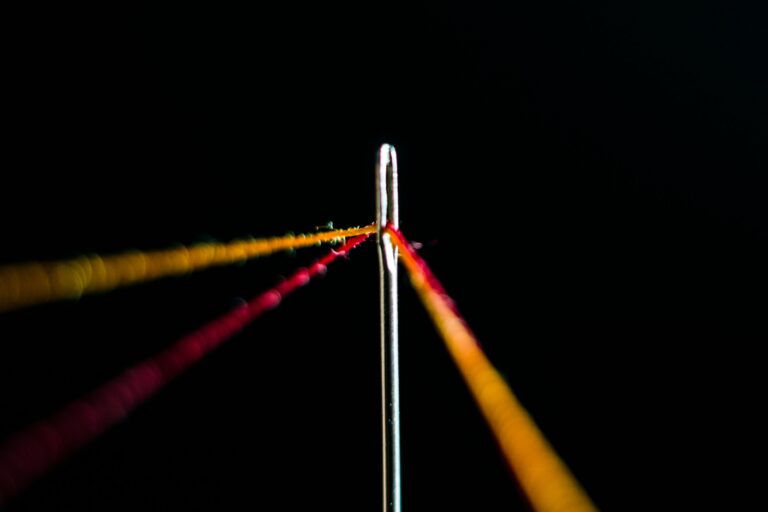
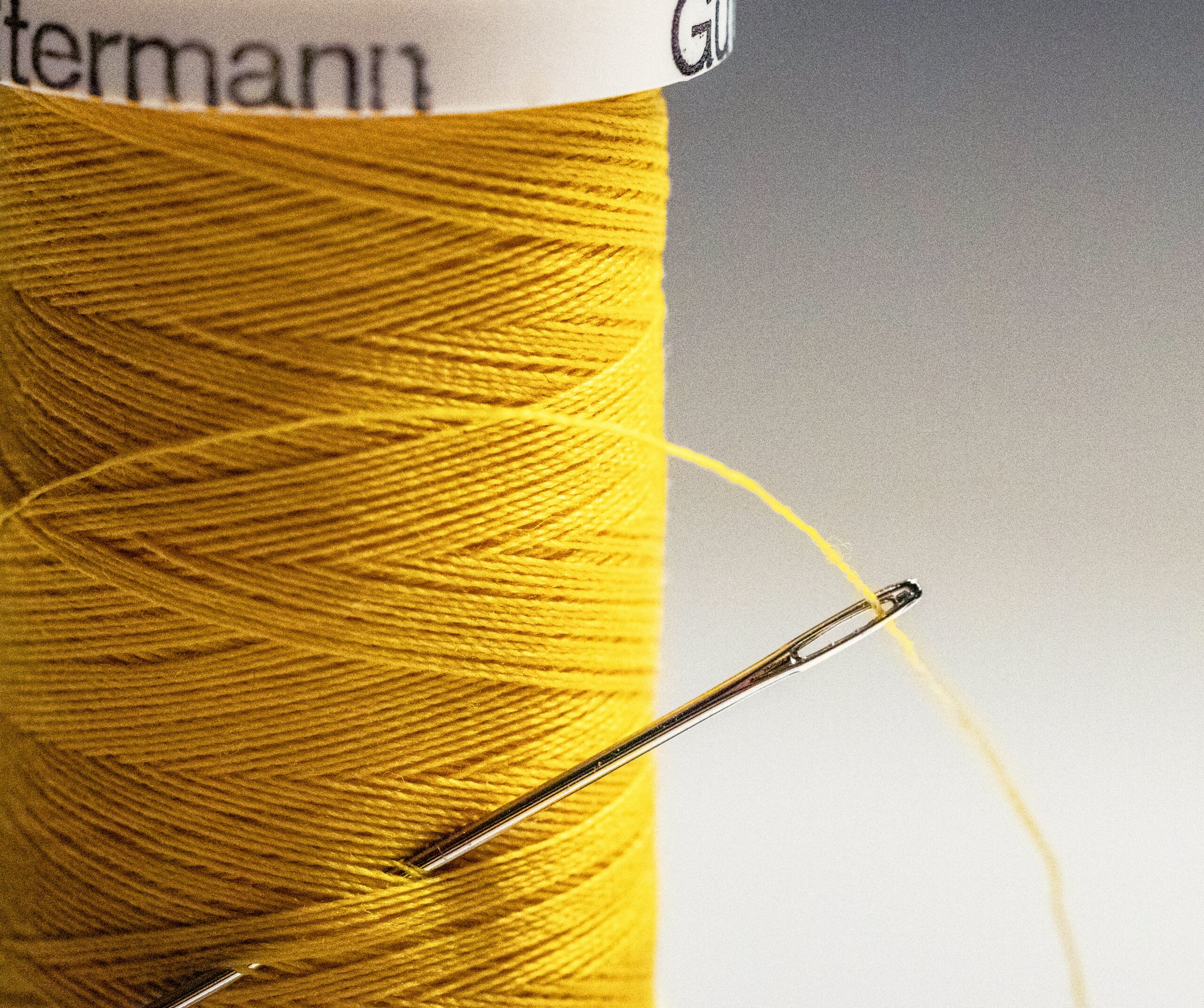
The eye is the hole at the blunt end of the needle through which you thread your floss or yarn. Its size and shape are critical for comfortable threading and preventing thread damage.
- Standard Eye: Most general-purpose needles have an oval-shaped eye, a good all-rounder for various thread weights.
- Long/Slotted Eye: Some needles, particularly those for embroidery or quilting, feature a longer, more open eye. This makes threading easier, especially with multiple strands of floss or thicker specialty threads.
- Self-Threading/Calibre Eye: These needles have a small slot at the top of the eye that allows you to simply press the thread into it, eliminating the need to push it through a tiny hole. While convenient, the small opening can sometimes snag delicate threads.
- Large Eye: As the name implies, these needles have a simply larger eye for thicker threads or for those with vision challenges.
Essential Needle Types for Every Hand Sewer
With the anatomy covered, let’s explore the specific types of hand sewing needles you’ll encounter. Each is designed for a particular purpose, and having a selection will significantly enhance your sewing capabilities.
Sharps: Your All-Purpose Workhorses
Sharps are the most common and versatile hand sewing needles. If you’re only going to buy one type, start here.
- Characteristics: Medium length, round eye, and a very sharp point.
- Best For: General hand sewing – hemming, basting, mending, applying appliques, and most fabric types like cotton, linen, silk, and lightweight wool.
- Sizes: Available in a wide range, from very fine (size 12) for delicate work to thicker (size 1) for heavier fabrics. A good starter set would include sizes 5-9.
Betweens (Quilting Needles): Short and Mighty
Betweens are a favorite among quilters and anyone needing fine, controlled stitches.
- Characteristics: Shorter than sharps, with a small, rounded eye and a very sharp point. Their short length provides excellent control.
- Best For: Quilting, intricate appliqué, tailoring, heavy-duty stitching, and any situation where a short, strong needle is beneficial. The short shaft allows for a quick, rocking motion when stitching.
- Sizes: Often found in sizes 8-12, with higher numbers indicating finer needles preferred for precision quilting.
Milliners (Straw Needles): Long and Graceful
Milliners needles are distinctive for their exceptionally long, thin shafts.
- Characteristics: Long and slender with a round eye and a sharp point. The eye is often the same diameter as the shaft, making it easy to pull through multiple layers without snagging.
- Best For: Millinery (hat making), basting, smocking, pleating, gathering, beadwork, and any technique where you need to wrap thread around multiple times or pull through many layers easily.
- Sizes: Typically available in sizes 1-10, with the higher numbers being thinner.
Embroidery & Crewel Needles: For Beautiful Stitchery
These needles are specifically designed for decorative stitching.
- Characteristics: Medium length, a very sharp point, and a longer, larger eye than sharps to accommodate multiple strands of embroidery floss or thicker specialty threads.
- Best For: All forms of surface embroidery, crewel work, goldwork, and any decorative stitching where you need to penetrate fabric cleanly with various thread types.
- Sizes: Available in a wide range, usually from 1 to 14, to match the fineness of your fabric and the number of thread strands you’re using.
Tapestry Needles: Blunt Allies for Counted Work
Tapestry needles stand apart with their blunt points.
- Characteristics: Blunt point, large eye. The blunt tip allows the needle to slide between the woven threads of canvas or Aida cloth without splitting them.
- Best For: Cross-stitch, needlepoint, tapestry, darning, and working with open-weave fabrics where you follow a grid pattern.
- Sizes: Typically range from 13 (thickest) to 28 (thinnest), corresponding to the count of your canvas (e.g., a size 24 needle is often suitable for 14-count Aida).
Specialty Needles: Expanding Your Sewing Horizons

Beyond the core types, a range of specialized needles caters to unique sewing challenges.
Curved Needles: For Tricky Spots
Sometimes, a straight needle just won’t cut it. Curved needles offer a solution for hard-to-reach areas.
- Characteristics: Available in various curves (e.g., half-circle, quarter-circle) and lengths, with sharp points.
- Best For: Upholstery, mattress repair, doll making, attaching linings to bags, sewing buttons onto thick coats, or any situation where you can’t push a straight needle all the way through and out the other side.
- Sizes: Vary by manufacturer and intended use, often categorized by their curve radius.
Leather Needles: Punching Through Toughness
When working with leather and similar materials, a standard sharp needle will struggle and potentially damage the fabric.
- Characteristics: Wedge or chisel point, often with a sturdy shaft. They create a small, neat cut in the material rather than trying to push through.
- Best For: Leather, suede, vinyl, pleather, and other dense, non-woven materials.
- Sizes: Typically thicker gauges, designed for strength.
Beading Needles: For Tiny Treasures
If you love working with beads, these needles are indispensable.
- Characteristics: Exceptionally long and very thin, with a tiny eye that is precisely the same diameter as the shaft, allowing them to pass through the smallest bead holes multiple times.
- Best For: Stringing beads, attaching beads to fabric, bead embroidery, and any beadwork where you need to pass through very small bead holes.
- Considerations: Beading needles are delicate and can bend easily. Handle with care.
Darners: Mending the Unmendable
Darning needles are designed for repair work, particularly on knit fabrics.
- Characteristics: Longer than sharps, with a generous eye (often slightly rounded) and a sharp or occasionally a blunt point, depending on whether you’re working on woven or knit repairs.
- Best For: Darning socks, sweaters, and other knitted items, as well as general mending. The longer length helps cover more area efficiently.
- Sizes: Available in various sizes to match the weight of the fabric and thread you’re darning with.
Choosing the Right Needle: A Practical Guide

Now that you know the options, how do you choose the perfect needle for your project? Follow these guidelines to make informed decisions.
Matching Needle to Fabric: The Golden Rule
This is arguably the most critical aspect of needle selection.
- Delicate, Fine Wovens (Silk, Chiffon, Fine Lawn): Opt for the thinnest possible sharp needle (higher size number, e.g., 10-12). This prevents large holes and fabric distortion.
- Medium-Weight Wovens (Cotton, Linen, Poplin): Sharps in medium sizes (e.g., 7-9) are ideal.
- Heavy Wovens (Denim, Canvas, Upholstery Fabric): Thicker sharps (lower size number, e.g., 1-5) or even a sturdy between are suitable.
- Knits & Stretch Fabrics (Jersey, Fleece, Lycra): Always use a ball point needle to avoid damaging the knit structure.
- Leather, Suede, Vinyl: A wedge/leather point needle is essential.
- Embroidery Canvas/Aida Cloth: Use a tapestry needle to avoid splitting threads.
Matching Needle to Thread: Seamless Integration
The needle’s eye must comfortably accommodate your thread.
- Fine Threads (Sewing Thread, Fine Silk Thread): Use needles with a standard or small eye.
- Embroidery Floss (Multiple Strands), Perle Cotton: Embroidery needles with their larger eyes are perfect.
- Thick Threads (Tapestry Yarn, Specialty Threads): Choose needles with very large eyes, such as tapestry or some darning needles.
- Beading Thread: Beading needles have eyes perfectly sized for delicate beading thread.
Considering Your Technique: Precision and Comfort
| Needle Type | Size | Usage |
|---|---|---|
| Sharps | 3-9 | General sewing |
| Embroidery | 1-12 | Embroidery work |
| Quilting | 5-12 | Quilting projects |
| Ballpoint | 9-16 | Sewing knits and stretch fabrics |
Your sewing technique and project specifics also influence your needle choice.
- Intricate, Small Stitches (Appliqué, Quilting): The short length of betweens offers excellent control.
- Long Basting Stitches, Gathering: The extended length of milliners or longer sharps is advantageous.
- Mending Knitwear: Darners are designed for this task.
- Hard-to-Reach Areas (Upholstery, Dolls): Curved needles become your best friend.
Needle Care and Maintenance: Prolonging the Life of Your Tools
Even the best needles will eventually need replacing, but proper care can extend their lifespan and ensure optimal performance.
Keep Them Clean: A Smooth Operator
- Wipe After Use: Periodically wipe your needles with a soft cloth to remove any oils or residue from your hands and fabric.
- Avoid Rust: Store your needles in a dry environment. If you live in a humid climate, consider anti-rust methods. Some sewers rub their needles with an emery cushion (a small, abrasive cushion) to remove rust and polish them.
Store Them Safely: Organized and Protected
- Pin Cushions: A classic for a reason! They keep needles organized and easily accessible. Ensure your pincushion is filled with a material that won’t promote rust (e.g., sand-filled ones can be good for sharpening and cleaning).
- Needle Cases: Small cases or boxes with magnetic strips are excellent for keeping needles sorted by type or size and preventing them from getting lost.
- Avoid Magnets (with caution): While magnetic needle holders are convenient, prolonged exposure to strong magnets can potentially magnetize your needle, which can sometimes (though rarely for hand sewing) affect thread flow. It’s generally not a major concern for hand sewing.
When to Replace: Knowing When to Let Go
Needles are consumable tools. Knowing when to replace them is key to preventing frustration and achieving good results.
- Bent Needle: A bent needle will not stitch smoothly and can even damage your fabric. Discard it immediately.
- Blunt Point: If your needle starts snagging or requires excessive force to penetrate the fabric, its point is dull. Replace it.
- Burred or Corroded Eye: An eye with burrs (rough edges) or corrosion will fray and weaken your thread. This is a sure sign to toss the needle.
- Rust: Rust spots can stain your fabric and weaken the needle. Replace rusty needles.
By understanding the diverse world of hand sewing needles and applying these guidelines, you’ll be well-equipped to tackle any hand sewing project with confidence and skill. Your stitches will be neater, your fabric will be healthier, and your sewing experience will be infinitely more enjoyable. So go forth, explore, and find the perfect needle for every thread!
FAQs
What are hand sewing needles?
Hand sewing needles are small, slender tools with a pointed tip and a small eye for threading. They are used for hand sewing fabric, leather, and other materials.
What are the different types of hand sewing needles?
There are various types of hand sewing needles, including sharps, betweens, embroidery needles, and leather needles. Each type is designed for specific sewing tasks and materials.
What are the different sizes of hand sewing needles?
Hand sewing needles come in different sizes, ranging from very fine (size 9) to larger and thicker (size 18). The size of the needle is determined by the diameter and length of the shaft.
How do I choose the right hand sewing needle for my project?
The right hand sewing needle for your project depends on the type of fabric or material you are sewing, as well as the type of stitch you are using. For example, finer fabrics may require a smaller, thinner needle, while heavier fabrics may require a larger, thicker needle.
How do I care for hand sewing needles?
To care for hand sewing needles, it’s important to keep them clean and dry when not in use. Store them in a needle case or pincushion to prevent them from getting bent or damaged. Additionally, it’s important to replace needles when they become dull or bent to ensure smooth and efficient sewing.